
 EN
EN

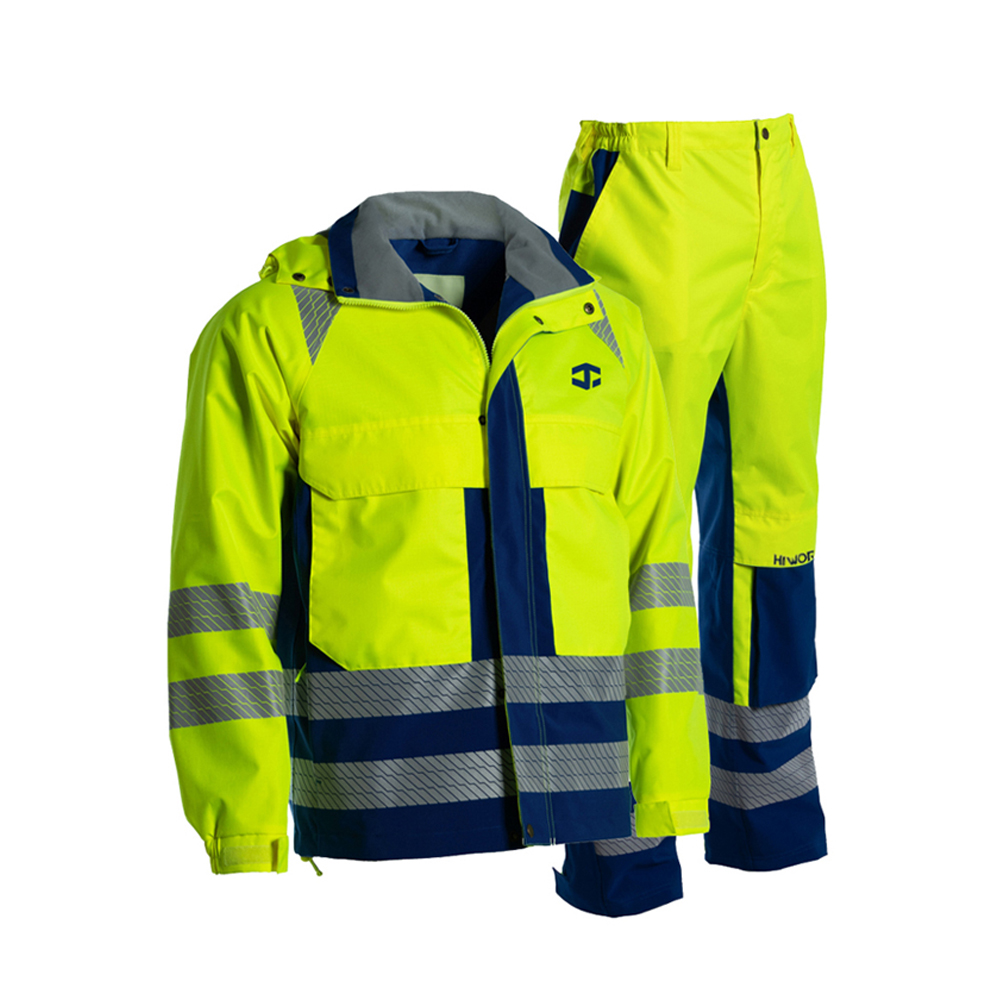
Gelb vs. Orange im Bereich der Warnkleidung: Welche Farbe bietet die beste Leistung auf Ihrer Baustelle?
Wenn Sicherheitsverantwortliche hochsichtbare Berufskleidung für ihre Mitarbeiter festlegen, gehört die Wahl der Farbe zu den ersten Entscheidungen. Die Diskussion zwischen fluoreszierendem Gelb und Orange ist nicht rein ästhetischer Natur – sie beeinflusst vielmehr, wie schnell ein Beschäftigter unter unterschiedlichen Umgebungsbedingungen, Lichtverhältnissen und rechtlichen Rahmenbedingungen erkannt wird. Dieser Leitfaden analysiert die jeweiligen Leistungsmerkmale beider Farben, damit Einkaufsteams fundierte Entscheidungen treffen können – basierend auf anerkannten Standards statt auf Vermutungen.
Verständnis der Hochsichtbarkeits-Farbnormen und zulässiger Hintergrundfarben
Normen für hochsichtbare Schutzbekleidung legen fest, welche Hintergrundfarben als konform gelten. EN ISO 20471, die europäische Norm, die in der EU, im Vereinigten Königreich und in vielen Märkten des Nahen Ostens Anwendung findet, erlaubt drei fluoreszierende Hintergrundfarben: Gelb, Orange-Rot und Rot. In Nordamerika erkennt ANSI/ISEA 107 fluoreszierendes Gelb-Grün, fluoreszierendes Orange-Rot und fluoreszierendes Rot an. Beide Normen verlangen, dass das Hintergrundmaterial nach einem Xenon-Lichtbeständigkeitstest eine Mindest-Leuchtdichte und bestimmte Farbwerte (Chromatizität) erreicht, um sicherzustellen, dass die Fluoreszenz nach UV-Belastung nicht unter festgelegte Schwellenwerte absinkt. Die zentrale Erkenntnis: Nicht jedes helle Kleidungsstück ist konform. Der Hersteller muss Testdokumentation vorlegen, aus der hervorgeht, dass der spezifische fluoreszierende Farbton vor und nach dem Lichtbeständigkeitstest die vorgeschriebenen Chromatizitätsgrenzwerte einhält.
Die Wissenschaft hinter der Sichtbarkeit fluoreszierender Gelb- und Orangefarben
Fluoreszierende Farben erzielen ihre aufmerksamkeitssteigernde Wirkung, indem sie UV-Licht absorbieren und es im sichtbaren Spektrum wieder abgeben – sie leuchten daher effektiv bei Tageslicht. Fluoreszierendes Gelbgrün erreicht sein Maximum im Wellenlängenbereich, in dem das menschliche Auge bei photopischem (Tageslicht-)Sehen am empfindlichsten ist; deshalb wirkt es vor den meisten städtischen und industriellen Hintergründen auffallend hell. Fluoreszierendes Orange-Rot hingegen emittiert Licht in einem längeren Wellenlängenbereich, der einen starken Kontrast zu grünem Laub, Asphalt und vielen Baustoffen bewahrt. Untersuchungen zur Auffälligkeit haben gezeigt, dass die Erkennungsweite weniger von der absoluten Helligkeit einer Farbe als vielmehr vom Kontrast zwischen dieser Farbe und dem umgebenden Hintergrund abhängt. Ein Arbeiter, der fluoreszierendes Gelbgrün trägt, kann vor einem Hintergrund aus orangefarbenen Verkehrskonus, rotem Ziegel oder herbstlichem Laub tatsächlich schlechter zu erkennen sein als ein Arbeiter in Orange, da das Gelb in die warmtonige Umgebung verschmilzt.
Leistung unter verschiedenen Licht- und Hintergrundbedingungen
Die Frage nach fluoreszierendem Gelb versus Orange ist letztlich kontextabhängig. Gelbgrün bietet im Allgemeinen die beste Leistung bei bewölktem Wetter, in der Dämmerung (bei Sonnenaufgang und -untergang) sowie vor dunklen oder grauen Hintergründen wie Asphalt und Beton. Es ist die Standardwahl für viele nordamerikanische Bau- und Versorgungsunternehmen. Orange-Rot überzeugt hingegen in Umgebungen mit grünem oder gelbdominantem Hintergrund – etwa in Forstwirtschaft, Landwirtschaft, Landschaftsbau und Straßenarbeiten, wo bereits orange Warndreiecke und Beschilderung im Einsatz sind. Bei schlechten Lichtverhältnissen oder Nebel verlieren beide fluoreszierenden Farben ihren Vorteil, da Fluoreszenz von UV-Licht abhängt. Hier kommt die retroreflektierende Folie als primärer Sichtbarkeitsfaktor zum Einsatz, wobei beide Farben gleichermaßen auf die Leistung der Folie – und nicht auf die Hintergrundfarbe – angewiesen sind.
Branchenanwendungen: Wann Gelb und wann Orange wählen
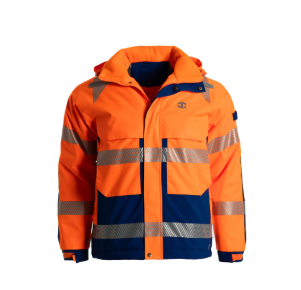
Verschiedene Branchen haben sich aus praktischen Gründen unterschiedlichen Farben zugewandt. Im Straßenbau und im Verkehrsmanagement in Europa und im Nahen Osten ist häufig Orange-Rot vorgeschrieben, unter anderem deshalb, weil gelbe Fahrstreifenmarkierungen und gelbe Warnblinklichter an Fahrzeugen eine Tarnwirkung für gelb-grüne Kleidung erzeugen können. Forst- und landwirtschaftliche Betriebe bevorzugen Orange aus demselben Grund – es hebt sich deutlich vor grünen Baumkronen und Gras ab. In industriellen Fertigungsumgebungen und Lagern wird hingegen häufig Gelb-Grün verwendet, da diese Farbe sich gut von grauen Böden, metallischen Regalen und dem typischen Gabelstaplerverkehr in diesen Bereichen abhebt. Die Bodenabfertigung auf Flughäfen stellt einen Sonderfall dar: Viele Luftfahrtbehörden schreiben speziell Orange oder Leuchtgrün vor, um das Bodenpersonal von Flugzeugmarkierungen und anderen farbcodierten Sicherheitszonen zu unterscheiden.
Praktisches Beschaffungsszenario: Farbauswahl für ein mehrstandortiges Straßenbauteam
Betrachten Sie einen Bauunternehmer im Bereich des Tiefbaus, der sowohl an städtischen Autobahnprojekten als auch an der Instandhaltung ländlicher Straßen tätig ist. Auf den städtischen Baustellen mögen fluoreszierend gelb-grüne Warnwesten ausreichend erscheinen; doch die Anwesenheit orangefarbener Warntafeln, Absperrungen und reflektierender Straßenmarkierungen erzeugt einen visuell unruhigen Hintergrund, der den effektiven Kontrast der gelb-grünen Bekleidung verringert. Wenn dieselbe Mannschaft zu Arbeiten an ländlichen Straßen übergeht, die von grüner Vegetation gesäumt sind, verliert Gelb-Grün erneut an Kontrast gegenüber der Umgebung. In diesem Fall bietet die Vorgabe fluoreszierend orangeroter Warnkleidung für die gesamte Flotte eine konsistentere Auffälligkeit in beiden Umgebungen. Ein Hersteller mit EN-ISO-20471-Zertifizierung – wie beispielsweise HI-WORLD, der hochsichtbare Arbeitsbekleidung produziert, die gemäß den Anforderungen der Klassen 1 bis 3 getestet wurde – kann dasselbe Bekleidungsmodell in beiden Farben liefern und dabei validierte Farbkoordinaten-Dokumentation bereitstellen; dies ermöglicht es dem Bauunternehmer, das Design zu standardisieren und gleichzeitig die Farbe an die jeweiligen Baustellenbedingungen anzupassen.
Häufig gestellte Fragen
A: Es gibt keine einheitliche globale Vorschrift. EN ISO 20471 erlaubt Gelb, Orange-Rot und Rot, während ANSI/ISEA 107 Gelb-Grün, Orange-Rot und Rot zulässt. Spezifische Baustellen, Luftfahrtbehörden und Eisenbahnunternehmen können eigene Farbanforderungen festlegen. Prüfen Sie stets den standortspezifischen Sicherheitsplan und die lokalen Vorschriften, bevor Sie eine Bestellung aufgeben.
A: Beide Farben unterliegen der UV-Belastung, doch Orange-Rot-Pigmente weisen in Wasch- und Trageprüfungen typischerweise eine leicht bessere Lichtbeständigkeit auf. Unabhängig von der Farbe verlangt EN ISO 20471, dass das Grundmaterial einen Xenon-Lampen-Lichtbeständigkeits-Test besteht. Einkaufsteams sollten vor der Auftragsvergabe den Prüfbericht für die jeweilige Farbe und Stoffkombination anfordern.
A: Ja, sofern der Sicherheitsplan für die Baustelle dies zulässt. Das Mischen von Farben kann jedoch zu inkonsistenten optischen Signalen führen und die Zuordnung von Rollen erschweren, wenn Farben zur Unterscheidung der Aufgabenbereiche des Personals genutzt werden. Aus Gründen der Einheitlichkeit und einer vereinfachten Compliance-Prüfung standardisieren die meisten Beschaffungsteams eine einzige Grundfarbe pro Aufgabentyp.
Vergleichstabelle: Fluoreszierendes Gelb vs. Orange (Hochsichtbarkeit)
| Vergleichsdimension | Leuchtendes Gelb-Grün | Fluoreszierendes Orange-Rot |
|---|---|---|
| Optimale Sichtbarkeitsbedingungen | Bewölkt, Dämmerung/Abenddämmerung, graue/asphaltfarbene Hintergründe | Grüne Vegetation, landwirtschaftliche Bereiche, Straßenbauarbeiten mit orangefarbenen Markierungskegeln |
| EN ISO 20471-Konformität | Ja (Gelb ist eine zugelassene Grundfarbe) | Ja (Orange-Rot ist eine zugelassene Grundfarbe) |
| ANSI/ISEA 107-Konformität | Ja (gelb-grün ist eine zulässige Hintergrundfarbe) | Ja (Orange-Rot ist eine zugelassene Grundfarbe) |
| UV-Lichtbeständigkeit (typisch) | Mäßig; Abbau erfolgt schneller bei wiederholter UV-Bestrahlung | Etwas besser; orange-rote Pigmente behalten die Farbtreue tendenziell länger |
| Best-Fit Industries | Bauwesen, Versorgungswirtschaft, Lagerhallen, Fertigung | Straßenbau, Forstwirtschaft, Landwirtschaft, Flugplatz-Rampen |
| Tarnungsrisiko | Hoch gegenüber orangefarbenen Kegeln, Herbstlaub und gelben Schildern | Niedrig gegenüber den meisten natürlichen und baubedingten Hintergründen |
| Leistungsverhalten bei schwachem Licht / in der Nacht | Beruht auf retroreflektierendem Klebeband (Fluoreszenz ist ohne UV-Licht inaktiv) | Beruht auf retroreflektierendem Klebeband (Fluoreszenz ist ohne UV-Licht inaktiv) |
Inhaltsverzeichnis
- Gelb vs. Orange im Bereich der Warnkleidung: Welche Farbe bietet die beste Leistung auf Ihrer Baustelle?
- Verständnis der Hochsichtbarkeits-Farbnormen und zulässiger Hintergrundfarben
- Die Wissenschaft hinter der Sichtbarkeit fluoreszierender Gelb- und Orangefarben
- Leistung unter verschiedenen Licht- und Hintergrundbedingungen
- Branchenanwendungen: Wann Gelb und wann Orange wählen
- Praktisches Beschaffungsszenario: Farbauswahl für ein mehrstandortiges Straßenbauteam
- Häufig gestellte Fragen
- Vergleichstabelle: Fluoreszierendes Gelb vs. Orange (Hochsichtbarkeit)